
Salt systems operate within a specific salinity window. Running below it reduces chlorine production, while running above it can cause shutdowns and corrosion concerns.
The mistake most pool owners make is treating the symptom first. With a saltwater pool, the better move is to check the system in order: water balance, flow, filtration, salt level, and then the salt cell.
Start with the water, not the equipment
A salt chlorine generator can only work with the water it is given. If pH, alkalinity, stabilizer, or calcium hardness are out of range, the pool can drift even when the control panel says the cell is producing chlorine.
Calculate pool chemical doses before you add anything
Use Pool Chemical Calculator to calculate pH, chlorine, alkalinity, stabilizer, and calcium adjustments without guessing.
Download for iPhone/iPad · Download for Android · Use the website
Practical checklist
- Find the exact target range in the system manual.
- Test salinity independently before making an adjustment.
- Calculate the dose from actual pool volume.
- Add salt in stages with the cell turned off.
- Brush, circulate, and retest before restarting generation.
Supplies worth comparing
If you need test supplies, cleaning tools, or replacement maintenance parts, compare saltwater pool maintenance supplies on Amazon.
What to do next
Make one change at a time, circulate the water, and retest. Saltwater pools are steady when the chemistry is steady, but they become frustrating when several small issues stack up.
Recommended saltwater pool supplies
As an Amazon Associate, SaltyPool earns from qualifying purchases.
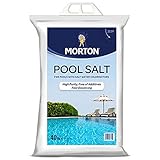
Keeps saltwater chlorine generators in range without unnecessary additives.
View on Amazon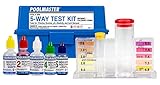
Accurate pH, chlorine, alkalinity, and acid-demand readings prevent overcorrecting.
View on Amazon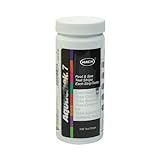
Fast checks for pH, chlorine, alkalinity, hardness, and stabilizer between full tests.
View on AmazonFAQ
What salt level do most saltwater pools use?
Many residential systems operate near 2,700 to 3,500 ppm, but the correct range is the one specified for your exact generator.
What should I test before changing anything?
Test free chlorine, pH, total alkalinity, stabilizer, calcium hardness, and salt level. Record the results so you can make one targeted adjustment at a time.
How quickly should I retest the pool?
Allow the water to circulate after an adjustment, then follow the product directions and retest before adding more. Large repeated doses can create a second problem.
When should I call a pool professional?
Get professional help when electrical faults, persistent flow errors, damaged plumbing, or unexplained water loss are involved. Those problems are not solved by adding more chemicals.
Before your next chemical adjustment, run the numbers with Pool Chemical Calculator. It is available for iPhone/iPad and Android.
Disclosure: This post contains Amazon affiliate links. As an Amazon Associate, Salty Pool may earn from qualifying purchases.

